

When we think of Finland, we often picture a utopia of equality. It consistently ranks as one of the world’s most ”women-friendly” nations. But for many immigrant women, there is a shadow behind the light.
Breaking the Silence: Building a Bridge of Trust for Afghan Families in Finland
When we think of Finland, we often picture a utopia of equality. It consistently ranks as one of the world’s most ”women-friendly” nations (Clarke, 2011). But for many immigrant women, there is a shadow behind the light. Statistics show a shocking reality: Finland has one of the highest rates of domestic violence in the EU (Kivelä et al., 2019). For Afghan women who have travelled thousands of miles to find peace, the barriers to safety can feel like a wall.
The Weight of Tradition in a New Land
To understand the challenges these women, we must look at the roots of family life. Early marriage for girls is a common practice in Afghanistan, largely influenced by socioeconomic factors like poverty (Stark, 2018). While the move to Finland removes the immediate pressure of poverty, the traditions themselves often travel across borders.
Even without economic necessity, some immigrant families continue practices like child marriage. Although child marriage is prohibited in Finland, data from my ongoing doctoral research, currently under review, indicates that Afghan girls residing in Finland continue to be affected by child marriage. These marriages are often registered in Afghanistan, and subsequently, once the girl reaches 18 years of age, they are also registered in Finland.
The Invisible Barrier
Imagine being in a new country where you don’t fully speak the language. You experience violence at home, but you are told that if you call the police, the government will take your children away. This is a common fear among the Afghan community.
Because of these fears, many women suffer in silence. They aren’t just hiding from an abuser; they are hiding from a system they don’t understand. My research found a massive ”trust gap.” Many immigrant families view social workers as powerful figures who ”punish” rather than ”support.”
More Than Just Data
Through interviews across cities like Helsinki, Turku, and Tampere, I am uncovering what Afghan women actually need to feel safe. As an Iranian social worker who shares a language with these women, I listen to the stories that go unheard in official offices. My work highlights that when social workers understand the specific cultural context, including the nuances of marriage practices, they can move away from ”colorblind” practices. By seeing the world through the eyes of an Afghan mother, we can design services that protect the child and support the family, rather than tearing them apart.
Why This Matters
When we improve child protection for one community, we strengthen the entire social fabric:
- Safety for Children: By reaching mothers early, we prevent trauma for the next generation.
- Preventing Isolation: Supported families are less likely to retreat into isolated communities where harmful practices go unchecked.
- True Equality: Finland is only ”women-friendly” when it is safe for all women.
My research is in its final phase, turning these stories into insights that can build a bridge of trust.
A short introduction of writer:
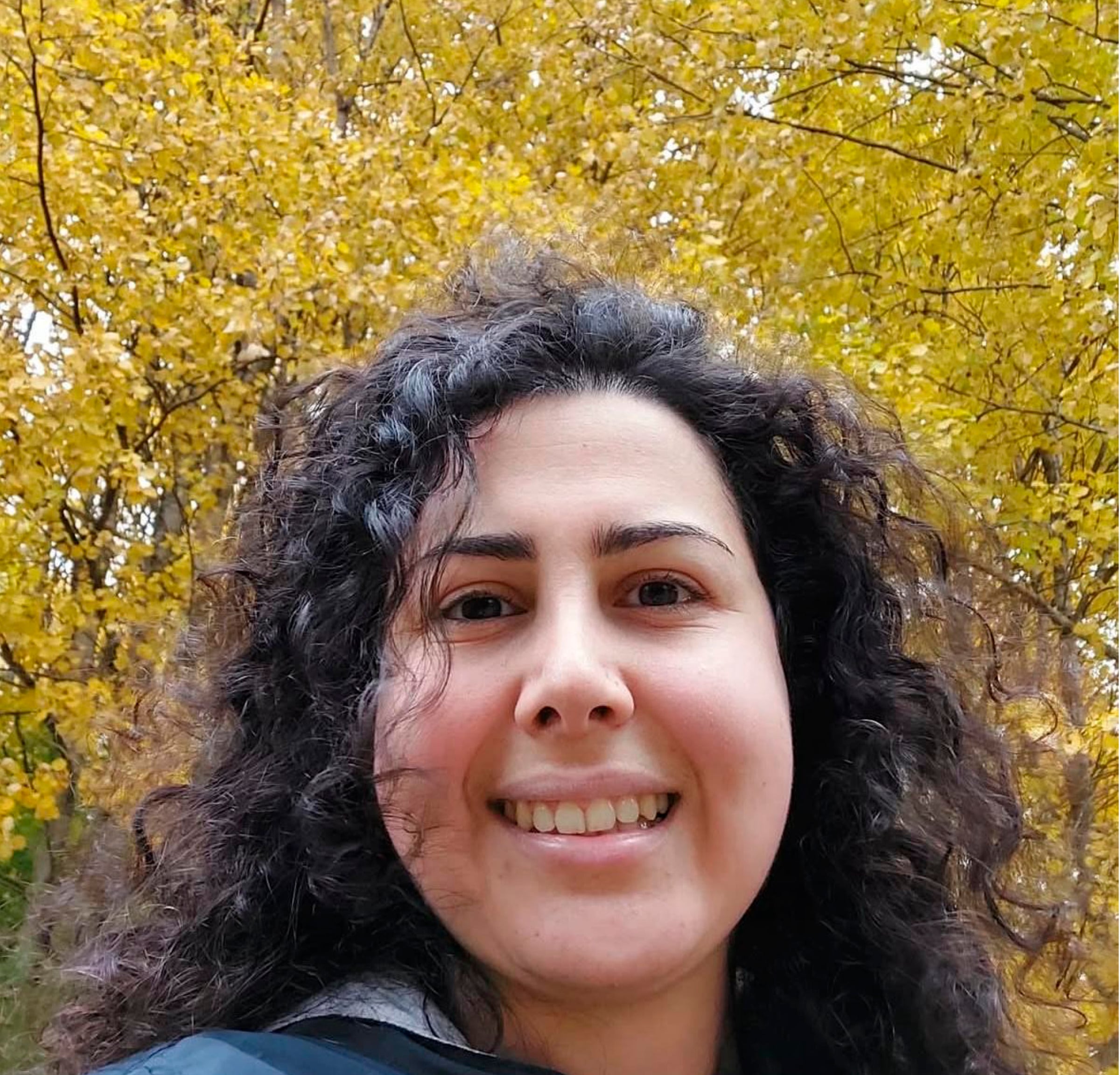
I am Laleh Golamrej Eliasi, and Iranian. I have bachelor’s and master’s degree of Social Work from Iran. And since 2018, I have lived in Finland. And now, I am a Ph.D. researcher of Social Work at University of Turku and also living in the heart of Finland in Jyväskylä. My PhD research is about the perception of Afghan women towards domestic violence and child protection in Finland. Alli Paasikivi Foundation has funded the research in 2023-2025.
References:
Clarke, K. (2011). The Paradoxical Approach to Intimate Partner Violence in Finland. International Perspective in Victimology, 6(1), 9-19.
Kivelä, S., Leppäkoski, T., Helminen, M., & Paavilainen., E. (2019). Continuation of domestic violence and changes in the assessment of family functioning health, and social support in Finland. Health care for women international, 40(11), 1283-1297. DOI:10.1080/07399332.2019.1615917
Stark, L. (2018). Poverty, consent, and choice in early marriage: Ethnographic perspectives from urban Tanzania. Marriage and Family Review, 54(6), 565–581. https://doi.org/10.1080/01494929.2017.1403998